 At Main-Care Energy, we regularly speak to customers who want to know they’re doing the right thing to keep their families warm and safe while positively impacting the environment. And we are on the same page — we all need to do our part to protect the planet.
If your conception of heating oil involves black smoke and lots of soot, then we have some good news for you. Heating oil is cleaner-burning and greener than ever. And the most refined, eco-friendly heating fuel around is Bioheat® fuel, which we are proud to deliver to households in Albany and the broader NY Capital Region, as well as the Hudson Valley, Western Vermont and Western Massachusetts, too.
In this article, we’ll break down what Bioheat fuel is and how switching from traditional heating oil to our eco-friendly heating oil blend can slash your emissions and boost the performance of your heating equipment.
Bioheat fuel is a blend of ultra-low-sulfur heating oil and biodiesel. Biodiesel functions the same as petroleum-based diesel, but it’s produced using organic and recycled feedstocks. These can include:
Bioheat fuel can be used in all oil-fired home heating systems without modifications.
Bioheat fuel significantly reduces greenhouse gas emissions, including:
By 2050, the heating oil industry intends to widely distribute 100 percent biodiesel fuel (also called B100), eliminating 1 billion gallons of heating oil and 8.59 million metric tons of carbon!
Today, the industry is well on its way to reaching that goal. The R.W. Beckett Corporation, the country’s largest producer of heating oil burners, is now producing fully-warrantied burners for 100% biodiesel. And in Port Jefferson, NY, the National Oilheat Research Alliance (NORA) has a home that’s heated with 100 percent biodiesel and uses solar panels to produce electricity. It’s reached net-zero carbon emissions quickly and affordably.
You lose no heating power with Bioheat fuel at the biodiesel blend that Main-Care Energy delivers. It still produces robust warmth and dependable comfort for your home while significantly lowering emissions. And you can use Bioheat fuel without spending a dime on equipment replacements or modifications.
Even better, Bioheat fuel leaves fewer deposits in your equipment than traditional heating oil. You’ll have fewer breakdowns and increase your equipment’s lifespan.
New York residents can also enjoy tax benefits for using biofuel-blended heating oil like Bioheat fuel. Our New York-based heating oil customers are eligible to receive the NYS Clean Heating Fuel Tax Credit.
If you want reliable home heating with a minimal carbon footprint, then Main-Care Energy has you covered. We’re ready to deliver eco-friendly and highly efficient Bioheat fuel to your home. Our no-fee automatic delivery ensures that you never run out. Our team handles all the planning for you and makes sure you have a place for a heating oil delivery well before you run low.
Get eco-friendly, efficiency and robust home heating with our heating oil delivery. Reach out to Main-Care Energy today to become a Bioheat customer.
 When it comes to heating rooms and water, natural gas equipment is about as efficient as it gets. Today’s gas boilers and furnaces have fuel efficiency ratings approaching 99%, meaning you lose almost no heat energy in combustion. And a new gas-powered water heater can warm up water for showers, appliances and faucets considerably faster than a comparable electric unit.
But we don’t need to tell you that prices have been stubbornly high for many years now, and it’s vital to find cost savings wherever possible. We have seven simple ways to lower your natural gas usage this winter without giving up any of the superior comfort your furnace, boiler or water heater provides.
The U.S. Department of Energy advises that you can save up to 10% on annual heating and cooling expenses by turning your thermostat back 7°-10°F for 8 hours a day. You can do this without significantly impacting your lifestyle by programming energy-saving adjustments for when you’re asleep or out of the house.
Main-Care Energy can help you do this with Main-Care Connect, our cutting-edge home automation service that connects to your smart thermostat to adjust temperatures remotely and program setting changes.
If you have a storage tank water heater, we recommend you set it to Vacation or Pilot mode when you leave town for a holiday vacation. This will prevent it from constantly heating and reheating unused water while you’re away.
If your home uses a forced-air system like a furnace, remember to inspect the air filter monthly during heavy heating or cooling periods. A clogged filter restricts airflow, strains your equipment and reduces indoor air quality. If it’s been a while since your last check, take a moment to clean or replace the filter to keep your system running efficiently and your home’s air fresh and healthy.
Believe it or not, a ceiling fan can help cut down your heating costs. Simply flip the switch to reverse its direction. Running the blades clockwise in winter pushes warm air down from the ceiling, keeping your space cozier and reducing the workload on your furnace or boiler.
You could be wasting a lot of fuel heating your home if the warm air is escaping through gaps in windows, door frames and wall seams. Take some time now to check the perimeter of your home for drafts, then plug them with weatherstrips, caulking or door sweeps. You’ll be amazed at how much this will cut back on how often your gas heating system cycles.
Take advantage of sunny days for a little free heat! Open your blinds and curtains to let the sunlight warm your home naturally. Trim any branches blocking the rays, and you may find yourself using your heating system less often.
Regular heating maintenance is an investment in safer, more reliable and more efficient home comfort. Main-Care Energy proudly services natural gas systems in the NY Capital Region and the Hudson Valley, as well as Rutland County and surrounding Western Vermont communities.
Our HVAC professionals will make sure your system is operating at peak efficiency. When you schedule a tune-up with Main-Care Energy, we’ll thoroughly clean, inspect, test and calibrate your equipment. Our skilled technicians catch and fix small issues before they turn into costly repairs, helping you enjoy better comfort, improved performance and gas consumption.
Get your natural gas heating equipment serviced before winter arrives in full force. Contact our team to request a maintenance visit.
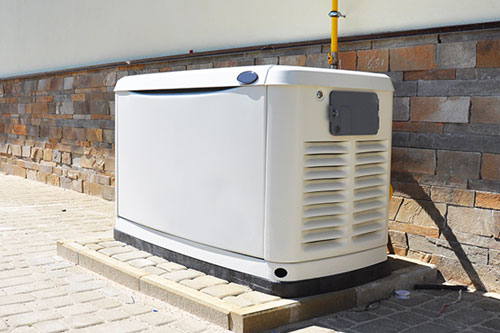 When icy cold weather arrives in New York and Vermont, you can’t afford to lose power in your home because of a downed powerline or an over-burdened power grid. That’s why so many homeowners in the Hudson Valley, the NY Capital Region and Bennington and Rutland Counties in Vermont are investing in gas-powered standby generators. Main-Care Energy handles more of these installations than just about any other company in the region. Here are some things you need to know about selecting and placing these vital units.
Gas-powered standby generators offer significant advantages over portable alternatives. Unlike gasoline or diesel units that require manual startup and constant refueling, propane and natural gas generators activate automatically when they detect a power outage. This means your heating system, refrigerator, medical equipment and other essential appliances continue operating seamlessly.
The unlimited shelf life of propane and natural gas ensures your generator will be ready when needed, even after months of inactivity. You’ll never face the frustration of stale fuel or the danger of running out of gasoline during extended outages when gas stations may be closed.
These generators also provide cleaner combustion, producing significantly less carbon monoxide, nitrogen oxide and sulfur oxide compared to gasoline-powered units. The results are better air quality around your home and reduced environmental impact.
Proper generator placement prioritizes safety while maximizing convenience and efficiency. Guidance from the National Fire Protection Association states that stationary combustion engines like those in standby generators must have a minimum distance of five feet from any openings in your home’s walls, including doors and windows, as well as any walls made from combustible materials like wood. Manufacturers provide guidance on safe distance from noncombustible materials (like brick or concrete) or gas meters, electrical panels, vegetation, etc.
Local building codes also influence placement decisions, and a highly trained and experienced team like ours will ensure your generator’s placement is in full compliance.
Beyond safety requirements, strategic placement can reduce installation costs and improve system reliability. Positioning your generator to minimize distances from both your home and propane tank or natural gas line reduces the length of gas piping required. This approach lowers installation expenses and decreases the potential for damaged lines.
Main-Care Energy provides comprehensive generator solutions that go far beyond basic installation. Our experienced team handles every aspect of your project, from initial consultation and equipment selection to complete installation of electrical connections, gas lines and propane tanks.
We offer generator financing with quick approval, flexible terms, competitive rates and no hidden fees, making it easier than ever to secure your home’s power supply. Our relationship with leading manufacturers ensures you receive the right generator size for your specific needs, whether you want to power your entire home or just essential systems.
Our commitment doesn’t end with installation. Main-Care Energy’s Protection Plan coverage provides ongoing maintenance and repair services to keep your generator functioning reliably for years to come. We offer both Premium and Standard maintenance plans, featuring annual preventative maintenance, parts coverage and 24/7 emergency service availability.
When you choose Main-Care Energy, you’re partnering with local experts who will be there whenever you need us – one call does it all. Reach out to us today for a free estimate.
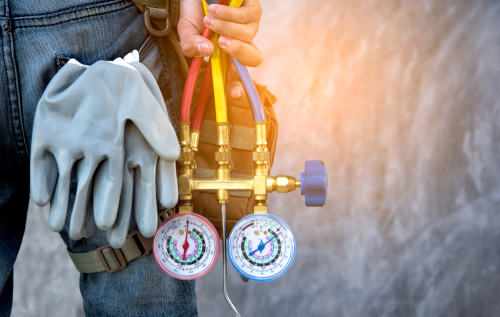 By and large, it’s a good idea to arrange a heating tune-up once a year to keep your home comfort equipment running reliably and efficiently. Think of it like an annual physical for your heating system. It’s an opportunity for a trained professional to look at your furnace, boiler, heat pump or hybrid heat system and give it the care and attention it needs to operate at its best.
So, before winter rolls into Orange County, the wider Hudson Valley, the NY Capital Region and Western Vermont, get your heating tune-up on the books. Here’s a breakdown of everything you need to know about the process.
Annual heating service is an investment in your HVAC equipment, and this investment pays significant dividends:
The specifics of your annual tune-up will, of course, depend on the particular system you have, but here’s a general idea of what to expect:
The Main-Care Energy team takes pride in treating every home with respect and care. We will handle your tune-up as quickly as possible and leave your house as clean or cleaner than we found it.
At Main-Care Energy, we’re committed to your comfort every day of the year. Our 360° of Service promise means we’re here whenever you need HVAC maintenance, repairs or emergency service — ensuring your equipment performs efficiently and reliably through every season.
Our Gold Card Home Protection Plans make it easy to keep your systems running smoothly. Each plan includes annual maintenance, priority service and full coverage for most parts and labor on heating systems. You’ll also enjoy valuable extras like fuel discounts and equipment protection — all designed to give you total peace of mind and long-term savings.
Reach out to us today to enroll in a maintenance plan or schedule your annual heating tune-up.
 At Main-Care Energy, we regularly speak to homeowners about the best ways to maximize their year-round comfort while lowering their energy costs and their carbon footprint. Every household is unique, with its own set of challenges and solutions. As a full-service heating and cooling provider, we’re able to offer a wide range of equipment options.
For many customers, the best option is propane. This fuel is overwhelmingly U.S.-made. In fact, we export more propane as a country than we use. Consequently, propane’s price tends to be more moderate and stable than other home energy options. And it packs a punch in terms of energy generation. A single gallon of propane can produce 91,452 Btu of heat energy — way better than natural gas and electricity on this metric.
Plus, propane can power an array of exceptional home systems, appliances and amenities. In this article, we’ll take you through the many products this fuel can power and how they can make your home more energy efficient.
When winter arrives at its most inhospitable, you’ll be happy you have the superior heat generation and high efficiency of propane heating equipment on your side. At Main-Care Energy, we install and service top-rated propane furnaces and boilers. These systems can boast fuel efficiencies of nearly 99% — virtually no heat energy gets wasted in combustion! And propane furnaces can deliver air heated to 120°F regardless of the temperature outside.
We can also help you install a hybrid heating system that combines the state-of-the-art cooling and heating operations of an electric heat pump with the dependability of a propane furnace for the most freezing days.
When it comes to hot water for your showers, taps, washer and dishwasher, propane is unbeatable from an efficiency standpoint. A new, properly sized propane water heater can generate hot water twice as fast as a comparable electric unit. And propane tankless water heaters are the pinnacle of reliability and efficiency. They generate practically unlimited hot water on demand, all while using up to 34% less energy than a storage tank unit.
When you have a propane tank on your property, you can power a plethora of energy-efficient products that can boost your quality of life.
In addition to installing and servicing top-quality propane heating products, Main-Care Energy also offers the most dependable propane delivery and tank leasing in Ulster County and the rest of the Hudson Valley (plus the NY Capital Region, Western Vermont and Western Massachusetts). We can promptly and safely set up a propane tank to accommodate all your gas appliances and systems. When you lease your tank, the Main-Care team handles all maintenance and repairs for it.
We also offer free automatic propane delivery for our customers, so you never run out of the fuel you need for your home.
Come experience what Main-Care Energy means by 360° of Service. Become a customer today!
 When icy, blustery winter weather rolls in — as it tends to do in the Hudson Valley, the NY Capital Region, Western Vermont and Western Massachusetts — a heating oil-powered heating system can be an ace in the hole. Why?
Heating oil is unparalleled when it comes to generating heat energy. A single gallon of heating oil can produce a whopping 138,500 Btu of heat! But how many of those gallons are you going to need to get through the winter? In this post, we’ll go through how many gallons of heating oil you can expect to use in the months ahead.
After nearly a century of serving households in Dutchess County and across the Northeast, the Main-Care Energy team has developed a sophisticated way of tracing how quickly a given home will consume heating oil. The factors include:
On average, you can expect to use between 700 and 900 gallons of fuel during a typical heating season in this part of the country. A 275-gallon tank typically holds about 250 gallons of fuel, as the remaining space is reserved for air. In a 2,000 square foot home, a full tank should last around five weeks.
Heating oil tanks come with simple, easy-to-read gauges, usually found right on top of the tank. Inside the clear tube is a float that rises and falls with the fuel level, just like the needle on your car’s gas gauge. The markings read F, ¾, ½ and ¼ to show how much oil you have left. When that float dips close to the ¼ mark, it’s your cue to call for a delivery before you run low.
As you can see, determining when your household could need more heating oil can be a challenging proposition. With so many competing factors, it’s useful to have an experienced team to assist.
Main-Care Energy can do all the planning for you — and it won’t cost you a cent extra!
We offer all our customers complimentary automatic heating oil delivery. Using what we know about your home, HVAC equipment and heating preferences, along with the current weather, our advanced system determines when you’ll likely need more fuel. Then, we schedule your fill-up for you. Automatic delivery means you don’t need to worry about tracking your tank levels yourself.
We want to make this winter 100% stress-free for your family. Reach out to us today to become a Main-Care Energy customer and get the most dependable heating oil delivery around!
 For 95 years, residents in Greene County and across New York’s Capital Region and Hudson Valley (plus Western Vermont and Western Massachusetts) have trusted the Main-Care Energy team for top-tier home comfort services.
But our energy services extend way beyond the home. We also provide some of the most dependable commercial fuel delivery services in the region. Whatever the energy source your business or municipality needs, you can count on us to handle it. Here’s a run-down of some of Main-Care Energy’s most popular commercial fuel services.
Propane is an affordable and largely domestically produced energy source that can power a wide range of crucial commercial equipment. From heating in offices to hot water in hotels, commercial kitchen appliances and temp heat for construction sites, propane is astonishingly versatile.
Main-Care Energy’s propane delivery team brings this fuel wherever our clients need it, whether that’s a business in town or a farm.
Main-Care Energy delivers premium ultra-low-sulfur diesel fuel for on-road and off-road usage. We also have automated fleet fueling stations in Chatham, Glenmont, Guilderland and Roxbury to efficiently accommodate our commercial customers. Our other popular diesel services include:
For many decades, heating oil has been one of the most dependable space heating options for homes and businesses in the Northeast. And Main-Care Energy’s heating oil is more eco-friendly and durable than ever before.
We deliver Bioheat® fuel, an eco-friendly blend of ultra-low-sulfur heating oil and organic biodiesel. This cleaner fuel reduces emissions like carbon dioxide, sulfur oxide and mercury. It also burns more efficiently, lowering maintenance costs and extending your system’s lifespan.
If you are concerned about fuel “gelling” in our frigid winter weather, Main-Care Energy offers WinterGuard, a cleaner, more affordable product made from Bioheat fuel with the same cold-weather durability as kerosene.
If your business has a safe on-site fuel tank, Main-Care Energy can deliver high-quality unleaded gasoline directly to you. We source only the best fuels from trusted suppliers and can set up an automatic delivery plan tailored to your needs. Our team of dedicated drivers ensures your vehicles and equipment stay powered, always arriving on time and treating your business with care.
Don’t have gasoline storage at your site? We sell, lease and install skid tanks, as well as manual and automatic pumps. You can also access this gasoline at our automated fleet fueling stations.
We’ve been taking care of the energy needs of businesses in New York and beyond since 1930. Today, as an employee-owned business, we appreciate how important a reliable energy partner is to commercial operations. You can count on Main-Care Energy for on-site commercial fuel delivery and innovative, adaptable fleet fueling solutions. Our employee-owners are always on call if you need an emergency fuel delivery. We’ve committed to being there 24 hours a day, all year round.
What can Main-Care Energy do for your business? Reach out to us today to become a customer.
 We’re looking ahead to some frigid months in the New York Capital Region, the Hudson Valley, Western Vermont and Western Massachusetts. How much heating oil is in your tank?
Heating oil isn’t one of those home products that you can “do without.” If you’re due for a heating oil delivery, don’t wait until colder weather arrives. While it’s generally not possible to predict all the ups and downs that energy prices have throughout the year, making sure to fill your tank in the summer of fall is almost always a better idea than waiting until winter.
There are multiple advantages to filling your home heating oil tank during the warmer months:
Heating oil is a commodity, so a variety of factors impact its price. As a distillate of crude oil, heating oil’s price is subject to the global variables in the oil market, including wars, major weather events, supply chain disruptions and OPEC production.
There’s also the issue of supply and demand. The vast majority of U.S. heating oil consumption happens in the Northeast. When temperatures plunge and inclement weather rolls into our part of the country, prices can increase. That’s why ordering heating oil now can save you money.
At Main-Care Energy, we offer many options to our customers to make heating oil delivery less stressful — and potentially save you money in the process:
Reach out to our team today if you want to discuss enrollment in any of these programs. The Main-Care Energy team is standing by to assist you!
 Last winter was one of the coldest periods we’ve experienced in many years in Rensselaer County and throughout the New York Capital Region, Hudson Valley and Western Vermont. When we have that kind of sustained freezing weather, homeowners need to be confident that their home’s heating equipment can meet the moment and keep their home livable.
At the same time, you don’t want to break the bank by running a heating system at full power for days on end. At Main-Care Energy, our experts are able to look at your home’s size, layout and existing equipment to identify the best replacement HVAC option for year-round comfort and energy savings. In our region of the Northeast, we’re seeing more homeowners invest in the superior performance and high efficiency of a hybrid heat system.
A hybrid heat system, also known as a dual-fuel heat pump, is an energy-efficient way to keep your home comfortable all year long. Essentially, it’s a combined electric heat pump and oil- or gas-powered furnace with an automatic changeover mechanism. This system adapts to the weather, giving you cooling in the summer and efficient heating throughout the colder months. Here’s how it works:
A hybrid heat system is designed to keep your home consistently comfortable, no matter the season. These systems automatically switch between a heat pump and a furnace to ensure stable indoor temperatures year-round. During fall and early winter, the heat pump efficiently heats your home without overloading energy use. When temperatures drop lower in the heart of winter, the furnace kicks in to handle the extreme cold, ensuring you stay warm even in the harshest conditions. This seamless transition between heating methods means you’ll always have reliable comfort tailored to the weather outside.
Hybrid heat systems are highly efficient, thanks to their ability to switch between energy sources. The system uses electricity to power the heat pump in milder weather, reducing overall energy consumption compared to a traditional furnace. When the weather becomes too cold for the heat pump to operate efficiently, the furnace takes over, optimizing energy use. This balance between the two systems saves energy and reduces utility bills, especially in regions with extreme winters. Over time, a hybrid heat system can deliver significant cost savings while maintaining year-round comfort.
At Main-Care Energy, we take pride in looking after our customers’ comfort needs every hour of the day and all year round. It’s a part of what we call 360° of Service. A big part of this commitment is helping you select the best heating and cooling equipment for your family’s needs and ensuring it’s installed and maintained for maximum dependability and efficiency.
So, if you’re ready to upgrade your HVAC systems to ensure total year-round comfort and peace of mind, reach out to us for a free estimate. We sell and install just about every type of home heating and cooling equipment!
 For families throughout the Hudson Valley, the NY Capital region and Western Vermont, an extended power outage can be a serious concern. Losing grid electricity for a long period could mean spoiled food, an uncomfortable home, lost access to home medical equipment and other problems.
Happily, a natural gas or propane-powered generator can put these fears at ease. These whole-house standby systems come on automatically when your home loses power and keep your vital systems, lights, outlets and appliances powered for an extended period.
But what happens when your backup power system has performance problems? In this article, we’ll discuss common generator issues and how you can address them with the help of the pros from Main-Care Energy. We’ll do what it takes to ensure your home has total electrical security.
Your propane or natural gas-powered generator needs oil to operate properly. If the oil level stays too low for too long, your generator could sustain serious damage. To avoid this, check your generator’s oil levels at least twice a year. Most units have a dipstick, similar to a car. If the oil is low, reach out to us for assistance in topping it off.
Your generator needs a steady fuel supply to keep your home powered. For propane generators, consider using our automatic propane delivery service and adding a propane tank monitor. This ensures we’ll track your usage and prevent your tank from running low. For natural gas generators, a fuel issue could mean a blocked or damaged gas line.
It’s incredibly important that you do not attempt to fix a gas line issue yourself. The repair requires extensive training and specialized tools. Contact us immediately so we can pinpoint and resolve the problem.
Battery issues are common but often easy to fix. If your generator’s battery isn’t working, start by checking the circuit breaker or switches to ensure nothing is left off. Other culprits can include dirty or rusted connections or loose terminals. If you suspect there’s an issue with your battery, get in touch with Main-Care Energy for professional repair.
Coolant leaks can cause your generator to fail, but they’re easy to prevent with regular checks. Inspect your coolant hoses a couple of times a year for any fraying or signs of wear. If a hose is damaged, call our team, and we’ll quickly take care of the issue for you.
Main-Care Energy is committed to being there for generator customers every hour of the day, all year round and for the full lifecycle of their equipment. We call it 360° of Service, and it’s our promise to you.
To ensure you always get the fastest and most affordable generator service, consider enrolling in a protection plan. This coverage includes:
Reach out to our team today to discuss a Generator Protection Plan or to arrange your annual maintenance. We are honored to serve Albany, Warren, Washington, Saratoga, Schenectady, Rensselaer, Columbia, Greene, Dutchess, Ulster and Orange Counties in New York, and Bennington and Rutland Counties in Vermont.


