 For homeowners throughout the Northeast, preparing for winter means more than bringing out the snow shovels and putting away the patio furniture. Your home heating system will soon be working hard to maintain a comfortable indoor temperature through months of cold weather.
If your home is heated with propane, a little preparation can go a long way. Propane is a versatile and efficient home energy source, but the condition of your heating equipment and the home around it can have a significant impact on how much energy you use.
Taking care of a few important items before temperatures fall, followed by some good habits during the heating season, can help your system operate efficiently while keeping your home comfortable.
Here are some practical ways to prepare your propane-heated home for winter and make the most of your heating system once the cold weather arrives.
One of the most important things you can do before winter is have your heating equipment professionally inspected and maintained.
A propane furnace or boiler works hard throughout a Northeast winter. Routine maintenance gives a trained technician an opportunity to inspect the system, clean components as needed, dial-in burner efficiency, verify proper operation and identify potential problems before heating demand increases.
Why it matters: A properly maintained heating system can operate more efficiently and reliably. Preventive maintenance can also uncover worn components or other concerns before they result in an unexpected interruption during cold weather.
What homeowners can do: Schedule maintenance during the late summer or fall rather than waiting for the first cold stretch. This gives you time to address any recommended repairs before your heating equipment is needed every day.
If your home uses a propane furnace with a forced-air heating system, don’t overlook the air filter.
A dirty or clogged filter restricts airflow and can make the system work harder to circulate heated air throughout your home. Filter replacement intervals vary depending on the type of filter, household conditions and equipment, so check the manufacturer’s recommendations.
Why it matters: Proper airflow supports efficient furnace operation while also helping maintain indoor air quality.
What homeowners can do: Inspect the filter before heating season and continue checking it periodically throughout the winter. Filters should typically be changed out every 30 to 90 days. Keep replacement filters on hand so changing one doesn’t become another chore that gets put off.
Before the first cold night is also a good time to make sure your thermostat is working properly.
Confirm that the thermostat responds when you adjust the temperature and replace batteries if your model uses them. If you have a programmable or smart thermostat, review your schedule and make sure it still reflects your household’s routine.
Why it matters: Your thermostat controls when your heating system operates. A well-planned schedule can help avoid unnecessary heating when the household is asleep or away without sacrificing comfort when everyone is home.
What homeowners can do: Choose temperature settings that work for your household rather than constantly making large adjustments. If your schedule changes seasonally, update the thermostat before winter begins.
Even the most efficient propane heating equipment can’t prevent heat from escaping through gaps around windows, doors and other areas of the home.
Take some time in the fall to look for noticeable drafts. Weatherstripping, door sweeps and appropriate caulking can help reduce unwanted air leakage.
Why it matters: When heated air escapes and cold outdoor air enters, your heating system has to operate longer to maintain the temperature you’ve selected.
What homeowners can do: Pay particular attention to exterior doors, older windows and penetrations through exterior walls. Some air sealing projects are relatively simple, while larger efficiency concerns may benefit from a professional home energy assessment.
Furniture, rugs, curtains and household items can sometimes end up blocking supply registers or return vents.
Before heating season, walk through the house and make sure air can move freely through your heating system.
Why it matters: When heated air escapes and cold outdoor air enters, your heating system has to operate longer to maintain the temperature you’ve selected.
What homeowners can do: Pay particular attention to exterior doors, older windows and penetrations through exterior walls. Some air sealing projects are relatively simple, while larger efficiency concerns may benefit from a professional home energy assessment.
Heating equipment is only part of winter preparation. You also need a dependable supply of propane.
If you are responsible for monitoring your own tank, check the fuel level regularly and don’t wait until the tank is nearly empty before requesting a delivery. Winter weather, increased demand and difficult road conditions can all make last-minute deliveries more challenging.
Main-Care Energy’s Automatic Delivery service takes much of this responsibility off the homeowner. By monitoring your anticipated propane usage, we can schedule deliveries before your supply becomes too low.
Preparing ahead of time means one less thing to worry about when winter weather arrives.
Once heating season is underway, a few simple habits can continue making a difference.
Turning the thermostat much higher than your desired temperature won’t necessarily warm the house faster. Instead, select a comfortable setting and allow your heating system to do its job.
When your household is asleep or away for an extended period, an appropriate temperature setback may reduce energy consumption. Programmable and smart thermostats can make these adjustments automatically.
Every household is different, so the goal isn’t to find one perfect temperature. It’s to avoid heating your home more than necessary while maintaining a comfortable and safe environment.
Even during winter, sunlight can provide some free warmth.
On sunny days, open curtains or blinds on windows receiving direct sunlight. Once the sun goes down, close them again to help reduce heat loss through the glass.
It is a small adjustment, but over the course of a long heating season, small efficiency habits can add up.
Propane consumption can increase considerably during extended periods of cold weather. Even if your household normally uses fuel at a predictable rate, unusually cold temperatures can change that pattern.
Homeowners who order propane as needed should make a habit of checking the tank gauge throughout the winter and allow plenty of time when requesting a delivery.
Automatic Delivery customers have another layer of convenience because Main-Care Energy helps manage the delivery schedule based on anticipated consumption.
After a significant snowfall, remember that your propane equipment still needs to be accessible.
Make sure your driveway has been cleared of snow and salted or sanded if necessary. Keep a safe path to the tank available for your delivery driver and carefully remove excessive snow accumulation from the surrounding area. Never use sharp tools or equipment that could damage the tank, regulator, lines or other components.
Also pay attention to snow and ice accumulation around outdoor appliance vents. Proper venting is essential to safe equipment operation, so vents should remain unobstructed.
Homeowners become familiar with how their heating systems normally sound and operate. If something suddenly seems different, don’t assume it will correct itself.
Unusual noises, inconsistent temperatures, frequent cycling or other noticeable changes can indicate that your equipment needs attention.
Addressing a small problem early may help prevent a more disruptive service issue later in the winter.
Heating efficiency isn’t determined by the furnace or boiler alone.
Insulation, windows, doors, ductwork, thermostat settings and everyday household habits all influence how much energy is required to keep your home comfortable. An efficient heating system in a drafty house may still have to work harder than necessary.
If certain rooms are consistently colder than others or your heating system seems to run excessively, consider looking beyond the equipment itself. Improving insulation, sealing air leaks or addressing airflow issues may help improve overall comfort.
The best time to think about winter heating efficiency is before you need the heat every day.
Scheduling annual maintenance, checking filters and thermostats, reducing drafts and making sure you have a dependable propane supply can put your home in a better position for the months ahead. Once winter arrives, consistent thermostat settings, regular fuel monitoring and attention to your equipment can help keep things running smoothly.
Main-Care Energy does it all: Propane tank leasing, sales and installation, propane delivery, heating equipment installation, and maintenance and repair services for homeowners throughout our service area. Our employee-owners are also available 24 hours a day, 365 days a year, whenever our customers need us. Sign-up for Automatic Propane Deliveries and let us track your usage and schedule your deliveries in advance so you never have to worry about run-outs when it counts.
A comfortable winter starts with a little preparation. Taking care of your home and heating system now can help you spend less time worrying about them when the temperature drops.
For homeowners in Schoharie County, New York State’s Capital Region, or the Hudson Valley in need of propane delivery or service contact Main-Care Energy today.
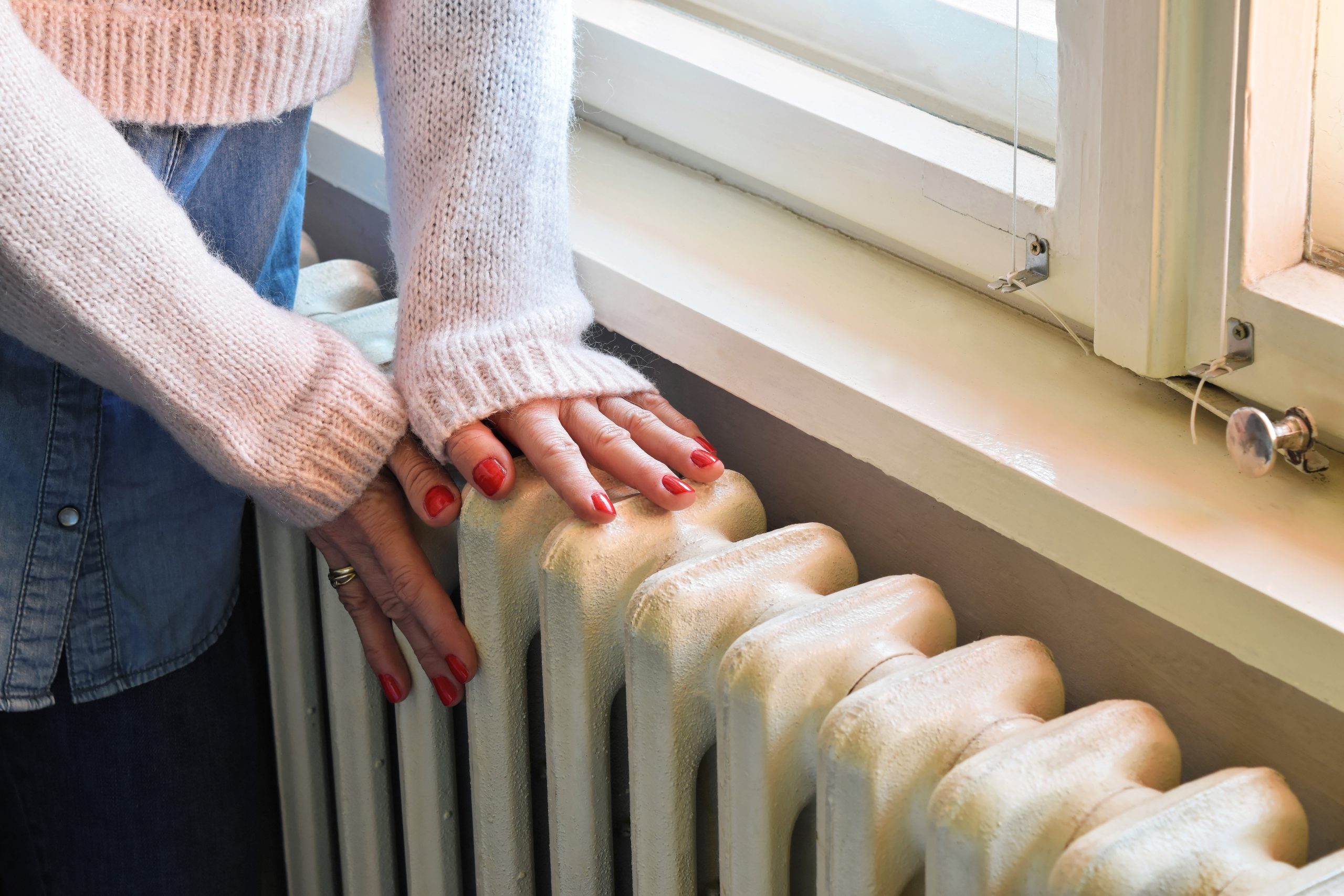 A boiler is a central heating system that heats water and circulates it throughout a home to provide space heating. Boilers are especially common in the Northeastern United States, where hydronic heating systems have long been used to provide dependable comfort during extended periods of cold weather.
Unlike a furnace, which heats air and distributes it through ductwork, a boiler transfers heat through water or, in some older systems, steam. Heated water can be circulated through baseboard heaters, radiators, radiant floor systems, or other hydronic heating equipment. Because these systems do not depend on moving large volumes of air throughout the home, boiler heat is often quiet and provides consistent temperatures without the drafts sometimes associated with forced-air systems.
Modern residential boilers are available in natural gas, propane, and heating oil models. Electric boilers are also available, although they are less commonly used as the primary heat source for larger homes in the Northeast. Modern gas and propane equipment includes high-efficiency condensing boilers capable of adjusting their output to match changing heating demands. Oil-fired boilers have also benefited from advances in burner technology, controls, heat exchanger design, and combustion efficiency.
Boilers can also serve more than one purpose. Depending on the system design, a boiler may provide domestic hot water through an indirect water heater or combination boiler, allowing a single appliance to contribute to both home heating and hot water production.
How They Work
Although boiler designs vary according to fuel source, efficiency, and distribution system, most modern hydronic boilers follow the same basic process:
Modern boilers can use sophisticated controls to improve this process. Modulating burners can reduce or increase firing rates according to the home’s actual heating demand, while outdoor-reset controls can adjust boiler water temperature based on outdoor conditions. Instead of operating at full output every time heat is requested, properly designed systems can match their operation more closely to the amount of heat the home actually needs.
High-efficiency condensing boilers go a step further by capturing additional heat from combustion gases that would otherwise escape through the exhaust. These boilers perform particularly well when paired with heating systems capable of operating at relatively low return-water temperatures.
NATURAL GAS BOILERS
Types:
Benefits:
Energy Efficiency: Conventional modern gas boilers commonly offer AFUE ratings in the 80% range, while high-efficiency condensing equipment can achieve ratings in the 90% range. Actual system performance depends on equipment selection, installation, controls, water temperatures, building heat loss, and distribution design.
Common Use: Natural gas boilers are particularly common in urban and suburban Northeast homes that already have natural gas service and hydronic baseboard or radiator systems.
PROPANE BOILERS
Types:
Benefits:
Energy Efficiency: Because many gas-fired boiler designs can be configured for either natural gas or propane, modern propane boilers can achieve efficiencies comparable to their natural gas counterparts. High-efficiency condensing models commonly reach AFUE ratings in the 90% range.
Common Use: Propane boilers are well suited to rural and semi-rural Northeast homes that use hydronic heat but do not have access to a natural gas utility. They are also an option when replacing older oil-fired equipment or constructing a new hydronic heating system.
HEATING OIL BOILERS
Types:
Benefits:
Energy Efficiency: Modern oil-fired boilers are considerably more efficient than many older boilers still found in Northeast homes. Many current residential models achieve AFUE ratings in the mid-to-upper 80% range, with some equipment reaching higher efficiencies. However, conventional oil boilers generally do not reach the efficiency ratings available from the highest-efficiency condensing natural gas and propane boilers.
Common Use: Heating oil boilers remain common throughout New York, New England, Pennsylvania, and other areas of the Northeast where natural gas infrastructure is limited. They are especially prevalent in older homes that already have oil storage and hydronic baseboard or radiator heating.
The three fuel sources can provide very similar comfort once heat reaches the home’s hydronic distribution system. The largest differences are therefore found at the boiler itself and in how its fuel is supplied.
Natural gas provides access to highly efficient equipment without requiring on-site fuel storage, but only where utility infrastructure is available. Propane offers many of the same modern boiler technologies while making gas-fired hydronic heat available to homes beyond natural gas service areas, with the added requirement of on-site storage and delivery.
Heating oil remains particularly relevant in the Northeast because so many homes already have oil tanks, boilers, baseboards, and radiator systems in place. Modern oil boilers can significantly improve upon the performance of aging equipment while allowing homeowners to retain much of their existing heating infrastructure. Their primary tradeoffs are greater maintenance requirements and lower peak efficiency compared with today’s highest-efficiency condensing gas boilers.
The introduction of cleaner-burning Bioheat heating oil has reduced the amount of greenhouse gas emissions oil-fired boiler systems contribute to the environment. Additionally, Bioheat fuel is easier on your boiler, leaving fewer deposits and lowering your overall maintenance costs. Earn credit back with Bioheat and receive .10¢ per gallon used when claimed on your NYS Tax Return! Login into the Main-Care Energy Customer Portal to view your eligible gallons for the Bioheat Tax Credit.
Since 1930, Main-Care Energy has played a pivotal role in keeping homes warm in New York’s Capital Region and Hudson Valley as well as Vermont’s Bennington and Rutland Counties. Today that includes selling, installing, servicing and repairing high-efficiency boilers.
If you are interested in a new boiler installation or curious about an equipment upgrade, our team is here to help.
For homeowners in Schenectady County, New York State’s Capital Region, the Hudson Valley or Western Vermont contact Main-Care Energy today to schedule a FREE survey.
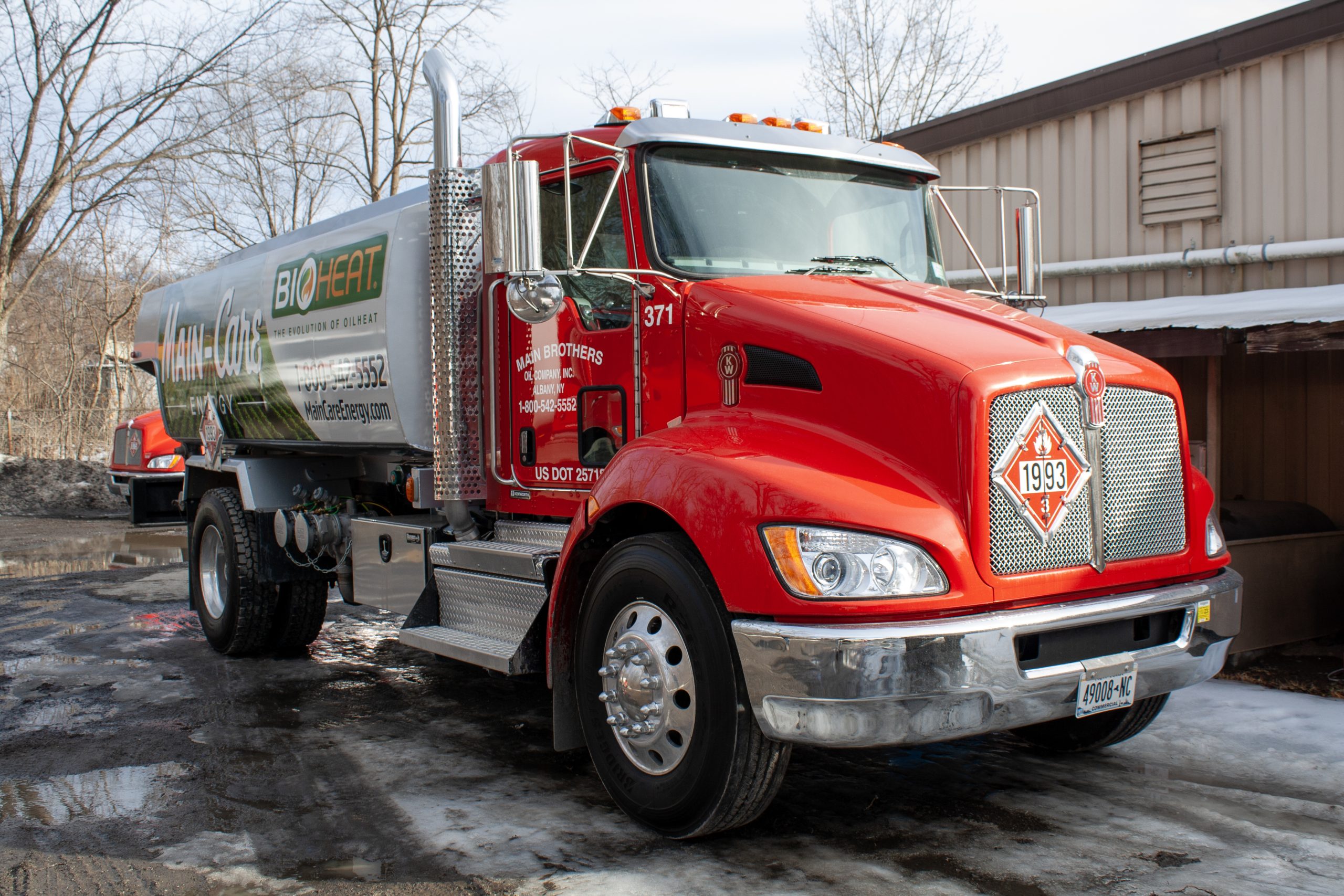 When the weather warms up in the Northeast, your heating oil supply probably isn’t top of mind. After all, if your furnace or boiler isn’t running much, why worry about how much fuel is sitting in the tank?
The truth is that summer and the shoulder seasons are some of the most important times to pay attention to your heating oil tank.
Leaving an oil tank empty or very low for an extended period, especially an outdoor oil tank, can create conditions that lead to condensation, sludge, corrosion and heating system problems. These issues often develop quietly during warmer weather, only becoming obvious when you need your heating equipment again.
Here are some of the problems an empty heating oil tank can cause, what you can do about them and, most importantly, how to help prevent them in the first place.
Why it matters: An empty tank isn’t truly empty. The unused space contains air, and warmer summer air can carry significant moisture. As temperatures fluctuate between warm days and cooler nights, moisture in that air can condense on the tank’s interior walls.
Those droplets eventually make their way to the bottom of the tank. Because water is denser than heating oil, it settles underneath the fuel rather than mixing with it.
How it can affect your home: Water sitting at the bottom of your heating oil tank creates conditions that can contribute to several other problems, including sludge and internal corrosion. Since all of this happens inside the tank, you may have no idea there is an issue until it begins affecting your equipment or the integrity of the tank itself.
How it can be remedied: If you suspect tank has been exposed to conditions favorable for condensation, contact a heating oil professional. Depending on the tank’s condition and the amount of contamination, it may need to be inspected and possibly replaced. Issues may not be obvious and may only present during system use in the colder months.
How to prevent it: Keep your tank from sitting empty or nearly empty during the summer. Less empty space inside the tank means less moisture-laden air and less opportunity for condensation to develop.
Why it matters: Water at the bottom of an oil tank can create an environment where microorganisms can thrive. Combined with rust, dirt and oxidized fuel, this contamination will eventually form the thick material commonly known as heating oil sludge.
How it can affect your home: Sludge settles at the bottom of the tank, but it doesn’t necessarily stay there. A fuel delivery can stir up accumulated material, allowing it to reach the fuel line. Sludge can clog filters, fuel lines and other components, potentially causing your heating equipment to shut down. Sludge build-up is often inevitable and naturally happens over the lifespan of a typical heating oil tank but can be expedited by factors such as persistent condensation.
That means a problem that began during a warm August afternoon could make itself known when you turn on the heat for the first chilly night of fall.
How it can be remedied: Significant sludge buildup should be addressed by a professional. Depending on the situation, the tank may need to be drained and replaced before the usable heating oil is returned.
How to prevent it: Again, one of the simplest steps is keeping an adequate amount of heating oil in your tank during the off-season. Regular heating system maintenance also gives a trained technician an opportunity to identify tank-related issues before they become bigger problems. Also, certain heating oil additives can reduce the amount of sludge being accumulated but risk the opportunity to stir up material that could go on to clog the fuel line.
Why it matters: One of the biggest concerns associated with moisture inside a heating oil tank is corrosion. Because water settles on the bottom, corrosion can gradually attack the tank from the inside out.
This is especially concerning because you cannot easily see what is happening inside a standard steel tank.
How it can affect your home: Over time, corrosion can weaken the tank and eventually cause pinhole leaks or a more significant tank failure. A leaking heating oil tank is more than an inconvenience. It can result in property damage, environmental concerns and a potentially costly cleanup.
How it can be remedied: If a tank has deteriorated significantly, replacement may be the safest solution. Main-Care Energy installs modern heating oil tanks and offers TankSure, which includes ultrasonic tank inspections to help evaluate tank integrity and provides qualifying customers with coverage toward replacement costs.
If you notice blistering paint, damp spots, oil around the tank or other potential signs of a leak, contact a professional promptly.
How to prevent it: Have your tank inspected regularly. Preventive attention is far easier than dealing with a tank failure after it occurs.
TankSure Helps Look Beyond the Surface
One of the challenges with a traditional steel heating oil tank is that a visual inspection can only tell part of the story. Corrosion and thinning can occur from the inside of the tank, where homeowners cannot see it. Main-Care Energy’s TankSure Program provides an additional way to evaluate the condition of qualifying heating oil tanks.
Using ultrasonic testing equipment, a trained technician can measure the thickness of the tank’s steel at specific locations without damaging or opening the tank. These measurements can help identify areas where the tank wall has become thinner over time, providing valuable information about its condition that may not be apparent from looking at the exterior alone.
For homeowners, this can provide an opportunity to address a deteriorating tank before it becomes a leaking tank. If testing indicates that replacement should be considered, a planned replacement is generally much easier to manage than discovering a problem after fuel has escaped. Qualifying customers enrolled in TankSure may also receive up to $1,500 in coverage toward the cost of replacing a tank that meets the program’s replacement criteria.
TankSure does not replace good tank care. Keeping an adequate amount of heating oil in your tank, watching for visible signs of deterioration and having your equipment regularly serviced all remain important. Instead, ultrasonic testing adds another layer of information that can help Main-Care Energy and the homeowner make more informed decisions about the tank’s condition and when replacement may be appropriate.
Why it matters: It is easy to assume that you don’t use heating oil during the summer. That isn’t necessarily true.
If you use an oil-fired water heater, for example, your household may consume heating oil throughout the year. Then, as temperatures begin dropping in late summer and fall, your heating equipment can start using fuel again before winter officially arrives.
How it can affect your home: A tank that was nearly empty in July could become completely empty by September or October. If the first cold night arrives before you schedule a delivery, you could find yourself without heat.
Running completely out of oil can also mean that your heating system requires additional attention before it can operate normally again.
How it can be remedied: If you run out of heating oil, arrange a delivery and contact Main-Care Energy if your equipment does not restart properly. Our team can help get your home comfort system back on track.
How to prevent it: Don’t wait for the gauge to reach “E.” Check your tank periodically and arrange a delivery before your supply gets too low. Better yet, enroll in Main-Care Energy’s FREE Automatic Delivery service so we can help manage your fuel supply for you.
You don’t need to fill your heating oil tank because you’re going to turn on the heat tomorrow. You fill it because maintaining an adequate fuel level can help protect the tank until you need that heat again.
If you finished the heating season with a low tank, summer is a great time to schedule a delivery. Heating oil stores well, so the fuel you purchase during warmer weather will be ready for you when temperatures fall.
It also means one less thing to worry about when the first cold weather arrives.
Home comfort doesn’t start with the first freezing night of winter. Taking care of your heating equipment and fuel supply throughout the year can help prevent inconvenient and potentially expensive problems later.
Main-Care Energy provides dependable heating oil delivery and comprehensive tank services throughout the New York Capital Region, the Hudson Valley, Western Vermont and Western Massachusetts.
With FREE Automatic Delivery, you don’t have to spend your summer checking the tank gauge or wondering whether you remembered to order fuel. We’ll help make sure you have heating oil when you need it.
It’s all part of Main-Care Energy’s commitment to providing 360° of Service, 24 hours a day, 365 days a year.
If your heating oil tank is running low this summer, contact Main-Care Energy today to schedule a delivery or learn more about Automatic Delivery and our heating oil tank services.
For homeowners in Greene County, New York State’s Capital Region, or the Hudson Valley curious about the condition of their heating oil tank contact Main-Care Energy today to learn more about our TankSure Program.
 If your home thermostat is unresponsive, there are several safe troubleshooting steps you can try before scheduling service. Many thermostat issues are caused by simple problems such as dead batteries, power interruptions, or incorrect settings.
Many programmable and Wi-Fi thermostats use AA or AAA batteries.
For heating, double-check that it is not set to:
Many heating systems have a service switch that resembles a regular light switch.
Many basements and utility rooms have an emergency shutoff switch near the heating equipment or at the top of the basement stairs.
A severely clogged air filter can cause a furnace to shut down for safety.
Some thermostats and heating systems include built-in time delays to protect equipment.
If you have a Wi-Fi thermostat:
If the thermostat displays an error code or warning message:
If you’ve completed these steps and:
Stop troubleshooting and contact Main-Care Energy immediately.
These basic steps can often resolve simple thermostat issues or help identify the source of the problem, allowing a Main-Care Energy technician to diagnose and repair your heating system more efficiently if service is needed.
For homeowners in Washington County, New York State’s Capital Region, or the Hudson Valley curious about smart home automation and awareness contact Main-Care Energy today to learn about Main-Care Connect.
 A furnace is a central heating system that generates warm air and distributes it throughout a home using a network of ducts and supply vents. Furnaces are among the most common heating systems in the Northeastern United States because they provide fast, reliable heating during extended periods of cold weather.
Unlike boilers, which heat water, or heat pumps, which move heat from one location to another, a furnace creates heat directly through fuel combustion. The heated air is circulated by a blower motor, providing consistent temperatures throughout the home. Furnaces are often paired with central air conditioning systems, allowing the same ductwork to be used for both heating and cooling.
Modern furnaces are available in a variety of fuel types and efficiency levels, making them suitable for urban, suburban, and rural homes. The primary distinction between furnace systems is the fuel used to generate heat, which influences operating costs, installation requirements, maintenance needs, and overall performance.
Regardless of fuel source, all furnaces follow the same basic operating process:
Because furnaces rely on forced air, they can also incorporate air filtration, humidification, UV air purification, and fresh air ventilation systems, making them an integral part of a home’s overall HVAC system.
NATURAL GAS FURNACES
Types:
Benefits:
Energy Efficiency: Modern natural gas furnaces typically achieve Annual Fuel Utilization Efficiency (AFUE) ratings ranging from approximately 80% to 98%, with condensing furnaces offering the highest efficiencies.
Common Use: The most common furnace choice in suburban and urban areas throughout the Northeast where natural gas infrastructure is available.
PROPANE FURNACES
Types:
Benefits:
Energy Efficiency: High-efficiency propane furnaces can achieve AFUE ratings comparable to natural gas furnaces, often exceeding 95%.
Common Use: Frequently installed in rural and semi-rural homes where natural gas service is unavailable but homeowners want the convenience of a gas-fired heating system. This system requires an on-site propane tank and consistent deliveries by a fuel supplier.
HEATING OIL FURNACES
Types:
Benefits:
Energy Efficiency: Modern oil furnaces generally achieve AFUE ratings between approximately 83% and 90%, representing substantial improvements over older equipment.
Common Use: Common in older homes throughout the Northeast, New York’s Capital Region and Hudson Valley and where heating oil has historically been the primary residential heating fuel. This system requires an on-site oil tank and consistent deliveries by a fuel supplier.
For homeowners with access to natural gas, a high-efficiency natural gas furnace is often the most economical long-term choice due to lower operating costs and minimal fuel management.
For homes without natural gas service, propane furnaces offer similar comfort, efficiency, and performance while providing an alternative to heating oil.
Heating oil furnaces remain a practical and dependable solution for many existing homes throughout the Northeast, particularly where oil infrastructure is already in place. Their exceptional heating capacity makes them well suited for harsh winter conditions. Plus recent innovations to home heating oil have now become industry standard.
The introduction of cleaner-burning Bioheat heating oil has reduced the amount of greenhouse gas emissions oil-fired furnace systems contribute to the environment. Additionally, Bioheat fuel is easier on your furnace, leaving fewer deposits and lowering your overall maintenance costs.
Since 1930, Main-Care Energy has played a pivotal role in keeping homes warm in New York’s Capital Region and Hudson Valley as well as Vermont’s Bennington and Rutland Counties. Today that includes selling, installing, servicing and repairing high-efficiency furnaces.
If you are interested in a new furnace installation or curious about an equipment upgrade, our team is here to help.
For homeowners in Washington County, New York State’s Capital Region, the Hudson Valley or Western Vermont contact Main-Care Energy today to schedule a FREE survey.
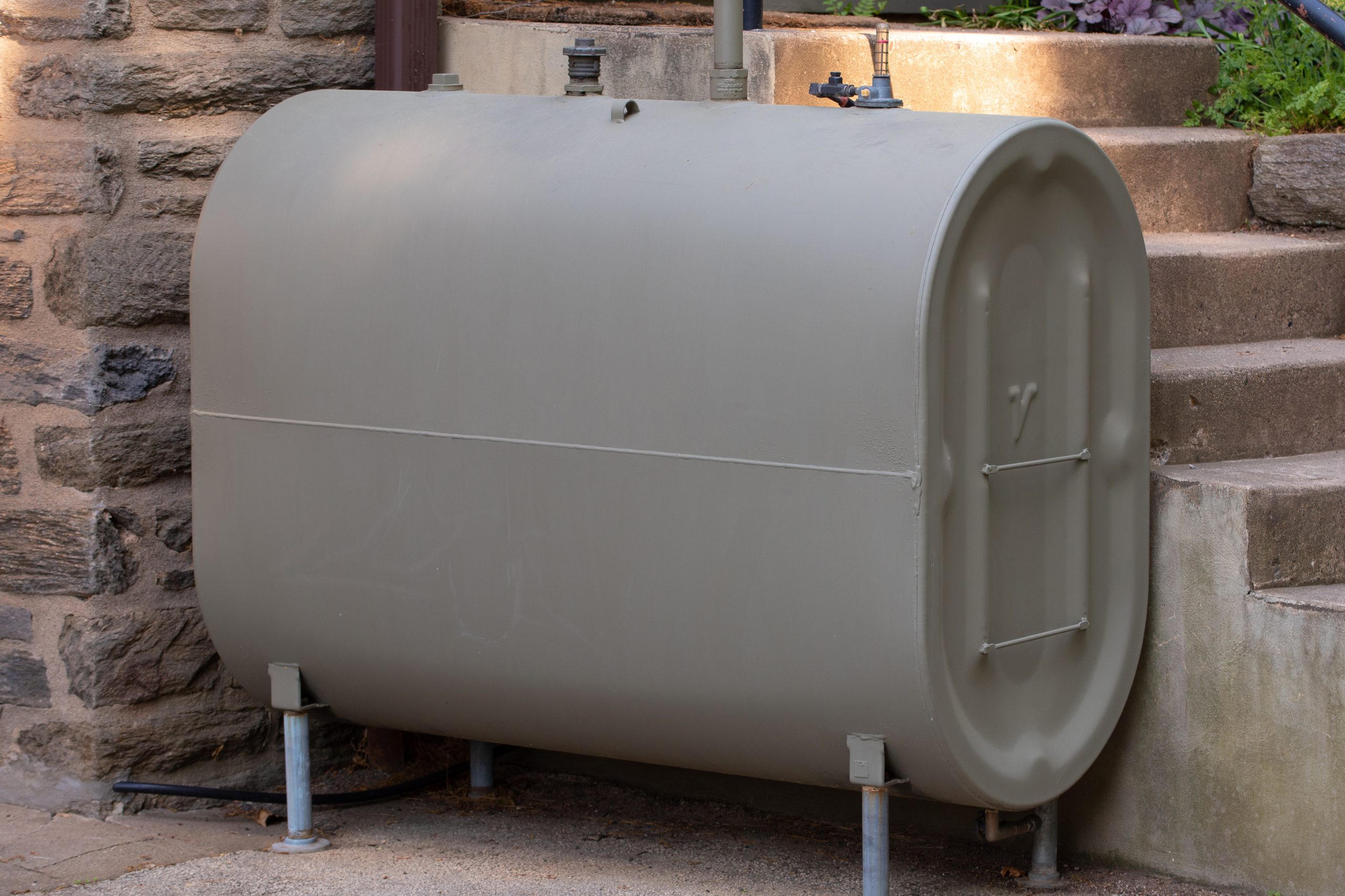 Before a heating oil delivery can be made to a new customer or a newly installed tank, a first-fill safety inspection is required. This inspection is designed to protect your home, your property, and the environment by ensuring that your heating oil tank system meets safety and compliance standards.
At Main-Care Energy, safety is always our top priority. A first-fill inspection confirms that your tank can be filled safely without risk of leaks, spills, or equipment failure.
A first-fill safety inspection focuses on four key areas:
If a tank does not meet these requirements, we will make recommendations on what needs to be done prior to receiving fuel deliveries.
The physical condition of the tank is one of the most important parts of the inspection.
Our technicians look for signs of wear or damage that could lead to failure, including:
Any of these conditions can compromise the integrity of the tank and create a risk during filling.
The fuel line connecting your tank to your heating system must also meet safety standards.
Common concerns include:
These components play a critical role in safe fuel delivery and system operation.
Proper fill and vent piping ensures that fuel can be delivered safely and that tank pressure is managed during the process.
What we check for:
The vent alarm is especially critical because delivery drivers rely on it to know when the tank is approaching full capacity, preventing over filling or spills.
The placement of your tank can also affect whether it passes inspection.
Key considerations include:
Proper placement helps reduce risk and ensures safe operation over time.
In addition to physical condition, inspectors verify that the system meets current codes and standards.
Issues may include:
Compliance ensures your system meets safety requirements and can be serviced reliably.
Inspection concerns can vary depending on where the tank is located.
Outdoor tanks often face:
Indoor tanks, particularly in basements, may experience:
Each type of installation presents its own challenges, which are carefully evaluated during inspection.
In some cases, a delivery may be stopped immediately if a serious safety concern is identified.
These include:
These situations require correction before any fuel can be delivered.
A failed inspection may feel inconvenient, but it is an important step in preventing much larger problems. Heating oil leaks can result in significant property damage, environmental impact, and costly cleanup efforts.
Addressing issues proactively helps protect your home and avoid unexpected expenses.
For tanks that pass inspection, Main-Care Energy offers additional peace of mind through our Tank Sure Program.
This program provides qualified tanks with:
The Tank Sure program is designed to help homeowners protect their investment and reduce the risk associated with aging or vulnerable tanks.
At Main-Care Energy, our first-fill safety inspections are part of our commitment to keeping our customers safe. By ensuring your tank system meets all necessary standards, we help prevent problems before they start.
If you are setting up new service or have questions about your tank’s condition, our team is here to help.
For homeowners in Columbia County, the New York Capital Region, the Hudson Valley and Western Vermont contact Main-Care Energy today to schedule your inspection and learn more about safe fuel delivery and Tank Sure protection for your home.
 Keeping your home warm throughout the New York Capital Region, the Hudson Valley and Western Vermont and Massachusetts during a Northeast winter requires more than just a reliable heating system. It also depends on having the right amount of fuel delivered at the right time. With Main-Care Energy’s Automatic Fuel Delivery, you never have to worry about checking your tank or scheduling deliveries yourself.
Our system is designed to take the guesswork out of fuel management with seamless and timely fuel delivery, giving you confidence, convenience, and peace of mind all heating season long.
Automatic delivery is a FREE SERVICE that ensures your home always has the heating fuel it needs. Instead of monitoring your tank and calling for delivery, Main-Care Energy handles everything for you.
Our system tracks your fuel usage and schedules deliveries before your tank runs low. This eliminates the risk of run-outs and ensures your home stays comfortable, even during the coldest weather.
With automatic delivery:
Main-Care Energy uses a data-driven approach to determine when your next delivery should be scheduled. Our system continuously evaluates several factors that influence your household’s fuel consumption.
Historical Fuel Usage – We begin by analyzing your average fuel usage over previous heating seasons. This provides a baseline understanding of how much energy your home typically requires.
Outdoor Temperature Changes – As temperatures drop, your heating system works harder. Our system tracks daily temperature fluctuations and adjusts delivery timing accordingly to ensure you have enough fuel during colder periods.
System Efficiency and Upgrades – Upgrades to your heating system, such as a new furnace or boiler, can change your fuel usage patterns. Our team adjusts your delivery schedule to reflect improved efficiency or changing demand.
Changes Inside the Home – Your home is not static, and changes can affect fuel usage. Our delivery planning takes into account:
Each of these factors can significantly impact how much fuel your system consumes over time.
Degree Days and the “K-Factor” – A key component of automatic delivery is the use of degree days, which help estimate how much heating your home requires. Degree days, taken into consideration with the previous factors, combine to form a complete and detailed account of your home’s energy usage.
Degree days are a measurement of how cold, windy and humid it is outside relative to a standard indoor temperature. In the Northeast, a base temperature of 65°F is commonly used.
For example: If the average of the high and low outdoor temperature for the day is 45°F, that day represents 20 heating degree days. The colder the weather, the higher the number of heating degree days.
This calculation helps estimate how much energy your home needs to maintain a comfortable indoor temperature.
The K-factor is a measurement used to estimate how quickly your home uses fuel. It represents the number of degree days it takes to burn one gallon of heating oil.
By combining your home’s K-factor with current and forecasted degree days we can accurately predict when your fuel level will reach a point where a delivery is needed. These unique account details are continually monitored and adjusted as needed to make deliveries as efficient and effective as possible.
This system allows Main-Care Energy to schedule deliveries with precision, ensuring your home remains supplied without overfilling or unnecessary deliveries.
Heating oil is typically delivered and stored at your home, meaning it is important to maintain proper levels to keep your system running smoothly.
With automatic delivery, you gain:
You can focus on your daily routine while we handle the logistics behind the scenes.
For generations, Main-Care Energy has provided dependable heating fuel delivery across the Northeast. Our automatic delivery service builds on that tradition by combining experience with modern monitoring technology.
When winter weather becomes unpredictable, you can trust that your fuel supply is being managed carefully and proactively.
If you are ready to eliminate the hassle of managing your heating fuel, Main-Care Energy’s Automatic Fuel Delivery service is a simple and effective solution.
For homeowners in Dutchess County, the New York Capital Region, the Hudson Valley and Western Vermont contact Main-Care Energy today to enroll and experience the convenience, reliability, and peace of mind that come with comprehensive automatic fuel delivery.
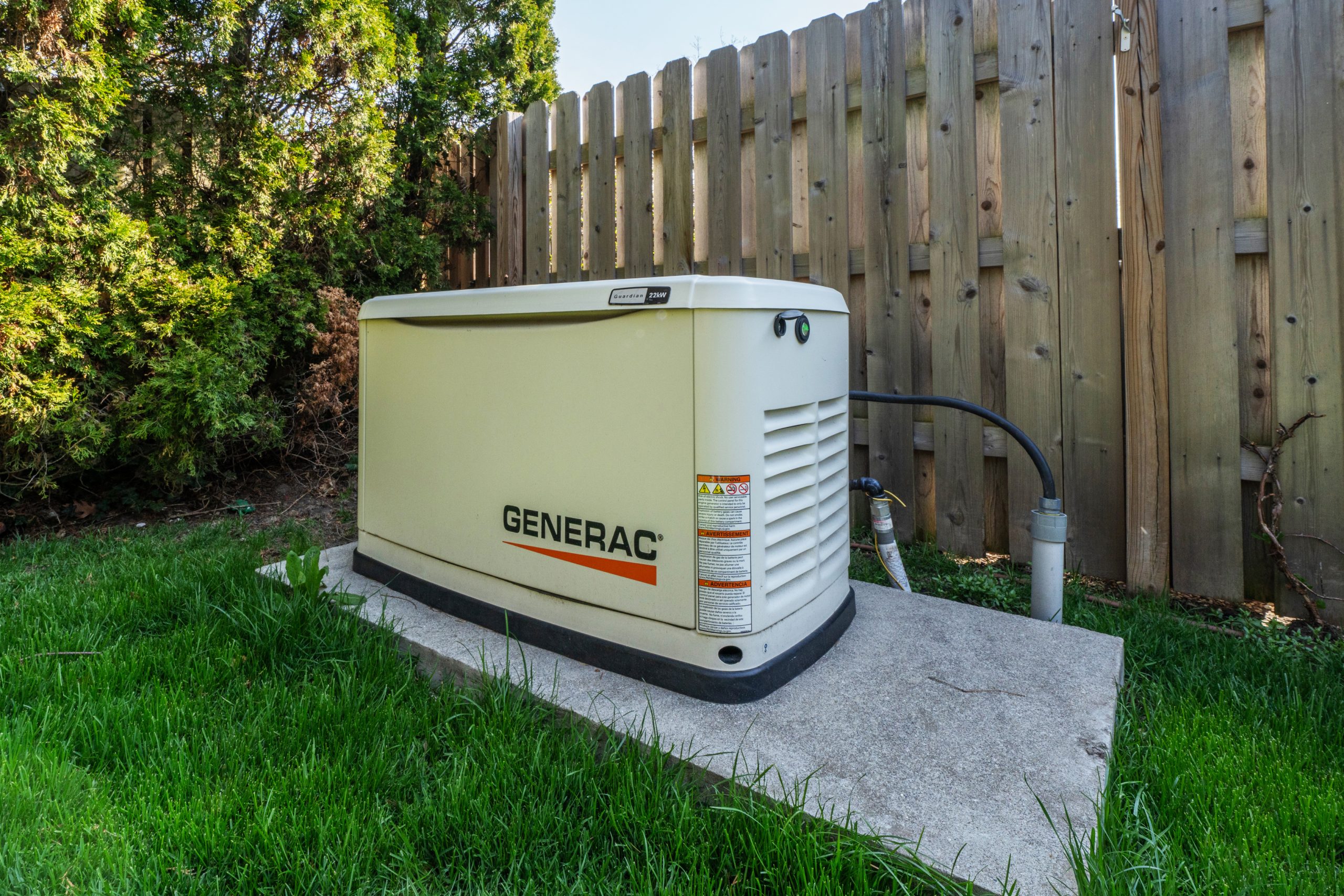 A standby generator is one of the most reliable ways to protect your home during a power outage. Whether it is keeping your heat running in the winter or preserving essential appliances year-round, your generator plays a critical role in home comfort and safety.
Like any mechanical system, however, a generator requires regular maintenance to ensure it is ready when you need it most. Following a simple maintenance schedule can help extend equipment life, improve reliability, and reduce the risk of unexpected issues.
Generators often sit idle for long periods, only running during outages or brief self-tests. Without proper upkeep, components can wear down, fuel can degrade, and small issues can go unnoticed until the system is needed.
Routine maintenance helps:
By combining simple monthly checks with annual professional service, homeowners can keep their systems operating at peak performance.
There are several basic checks homeowners can safely perform to help keep their generator in good condition. These routine steps only take a few minutes but can make a significant difference.
Visual Inspection – Take a quick look at your generator and the surrounding area. Make sure the unit is clear of debris such as leaves, snow, or vegetation that could block airflow.
Check for Warning Indicators – Review the control panel for any alerts or warning lights. Addressing small issues early can help prevent larger problems later.
Listen During Exercise Cycles – Most standby generators run automatic self-tests. During these cycles, listen for any unusual sounds such as knocking, sputtering, or inconsistent operation.
Monitor Fuel Supply – If your generator relies on propane or another stored fuel source, confirm that levels are adequate and that there are no visible issues with the supply system.
Seasonal Awareness – In addition to monthly checks, it is important to stay mindful of seasonal conditions. In colder climates, make sure snow and ice do not block vents or restrict operation. During warmer months, ensure the unit remains clean and unobstructed.
While homeowners can handle basic monitoring, more in-depth maintenance should always be performed by trained technicians. Professional service helps ensure your generator is safe, compliant, and fully prepared for extended use.
Annual System Inspection – A professional technician will perform a full system evaluation, checking all major components to ensure proper operation.
Oil and Filter Changes – Like an engine, your generator requires periodic oil and filter changes to maintain performance and prevent wear.
Electrical System Testing – Technicians will replace spark plugs and test electrical connections, transfer switches, and system controls to ensure reliable operation during an outage.
Output Testing – A professional output test confirms that your generator can handle the electrical demand of your home when it matters most.
Transfer Testing – The transfer test simulates a power failure by flipping the main utility breaker to confirm the Automatic Transfer Switch properly shifts load to the generator.
Attempting these tasks without proper training can be unsafe and may lead to equipment damage, which is why professional service is essential.
A well-maintained generator provides confidence that your home will remain protected during unexpected outages. By staying consistent with basic checks and scheduling annual service, you can reduce the risk of downtime and ensure dependable performance.
For added peace of mind, Main-Care Energy offers a Generator Protection Plan designed to help keep your system covered throughout the year. With regular maintenance and support from experienced professionals, you can feel confident that your generator is ready when you need it most.
If an issue does arise, our team is here to respond quickly and keep your system operating safely and efficiently.
Contact Main-Care Energy today to learn more about generator maintenance services and how our Generator Protection Plan can help protect your home and your investment.
For homeowners in Washington County, the New York Capital Region, the Hudson Valley and Western Vermont contact Main-Care Energy today to learn more about generator installation and preventative maintenance.
 When it comes to home comfort, temperature is only part of the equation. The quality of the air inside your home plays a major role in your health, comfort, and overall well-being. Poor indoor air quality can contribute to respiratory issues, allergies, and reduced HVAC efficiency.
At Main-Care Energy, we help homeowners improve indoor air quality with practical solutions that support cleaner, healthier air throughout the year.
Indoor air can contain a variety of airborne particles and pollutants that build up over time, especially in tightly sealed homes. Common contributors include:
Without proper filtration, purification, and ventilation, these contaminants can circulate continuously through your home.
Poor indoor air quality can impact both your health and your home’s comfort. Over time, exposure to airborne pollutants may lead to increased allergy or asthma symptoms such as dry throat, irritated eyes, or sinus discomfort. Lingering odors and stale air may persist with reduced HVAC system performance due to buildup on components.
For households with children, elderly residents, or individuals with respiratory sensitivities, maintaining clean indoor air is especially important.
One of the simplest and most effective ways to improve indoor air quality is by regularly replacing your HVAC air filters. Filters are designed to capture airborne particles before they circulate through your system and living spaces.
However, when filters become clogged, they can:
Regular filter replacement helps your system operate more efficiently while keeping airborne contaminants under control. Most homeowners benefit from checking filters monthly and replacing them as needed based on usage and household conditions.
In addition to standard filters, many homes can benefit from advanced air filtration and purification systems. These systems are designed to capture and/or neutralize smaller particles and improve overall air quality more effectively.
Options may include:
When installed these solutions work with your new or existing HVAC system to provide enhanced filtration and purification for cleaner indoor air throughout the home.
Humidity levels play a key role in indoor air quality, especially during the winter months when indoor air tends to become dry.
Low humidity increases the presence of static electricity and can lead to dry skin, irritation of sinuses and general discomfort in the home.
Installing a whole-house humidifier to your existing furnace can help maintain proper moisture levels, improving comfort and supporting healthier indoor air. Popular bypass models utilize the furnace blower to move dry air quietly through the humidifier, releasing water vapor into the air. Balanced humidity can also help reduce the spread of certain airborne particles and improve overall air quality.
Ventilation is essential for maintaining fresh indoor air. Without it, stale air and pollutants can accumulate over time.
A well-functioning HVAC system helps circulate fresh air throughout the home while removing airborne contaminants through filtration.
Ensuring your system is properly maintained with regular tune-ups and your ductwork is in good condition helps support consistent airflow and better indoor air quality.
Improving indoor air quality does not require a complete system overhaul. Simple steps such as replacing filters, maintaining your HVAC system, and adding the right equipment can make a noticeable difference.
At Main-Care Energy, our team can evaluate your current system and recommend solutions to help you achieve cleaner, healthier air in your home.
For homeowners in Greene County, the New York Capital Region, the Hudson Valley and Western Vermont and Massachusetts contact Main-Care Energy today to learn more about indoor air quality solutions, filtration upgrades, and system maintenance services designed to keep your home comfortable year-round.
 Hot water is something most homeowners rely on every day, from showers and laundry to cooking and cleaning. Choosing the right water heater can have a noticeable impact on comfort, energy efficiency, and long-term operating costs.
There are several types of water heaters available today, each with its own advantages depending on your home, usage needs, and existing heating system. Understanding the differences can help you make a more informed decision.
Traditional tank water heaters are the most common type found in homes. These systems store and heat a set amount of water in a tank, keeping it ready for use.
How they work: Water is preheated and stored in a tank, typically ranging from 30 to 80 gallons, and maintained at a consistent temperature.
Benefits:
Considerations:
Energy Efficiency: Moderate
Common Use: Very common in residential homes
Tankless water heaters provide hot water only when it is needed, without storing it in a tank.
How they work: Water is heated instantly as it flows through the unit, delivering a continuous supply.
Benefits:
Considerations:
Energy Efficiency: High
Common Use: Increasingly popular in residential applications, especially for smaller households or homes with upgraded systems
Heat pump water heaters use electricity to move heat from the surrounding air into the water, rather than generating heat directly.
How they work: These systems extract heat from the air and transfer it into the water tank, making them highly efficient.
Benefits:
Considerations:
Energy Efficiency: Very high
Common Use: Growing in popularity, especially in energy-conscious households
Indirect water heaters work in conjunction with a home’s boiler system, using it as the heat source.
How they work: The boiler heats water that is circulated through a heat exchanger inside a storage tank.
Benefits:
Considerations:
Energy Efficiency: High (when paired with an efficient boiler)
Common Use: Common in homes with hydronic heating systems
Each type of water heater offers different advantages depending on your home and usage patterns.
The right choice depends on factors such as household size, hot water demand, available space, and your current heating setup.
Choosing a water heater is not just about equipment. It is about selecting a system that fits your home and delivers reliable performance for years to come.
For homeowners in Schenectady County, the New York Capital Region, the Hudson Valley and Western Vermont interested in the installation of a new Water Heater, our experienced team can evaluate your needs, explain your options, and recommend the best solution for your home and budget. Contact Main-Care Energy today to learn more about water heater installation, maintenance, and upgrade options designed to keep your home comfortable and efficient year-round.


