Posted: September 24, 2026
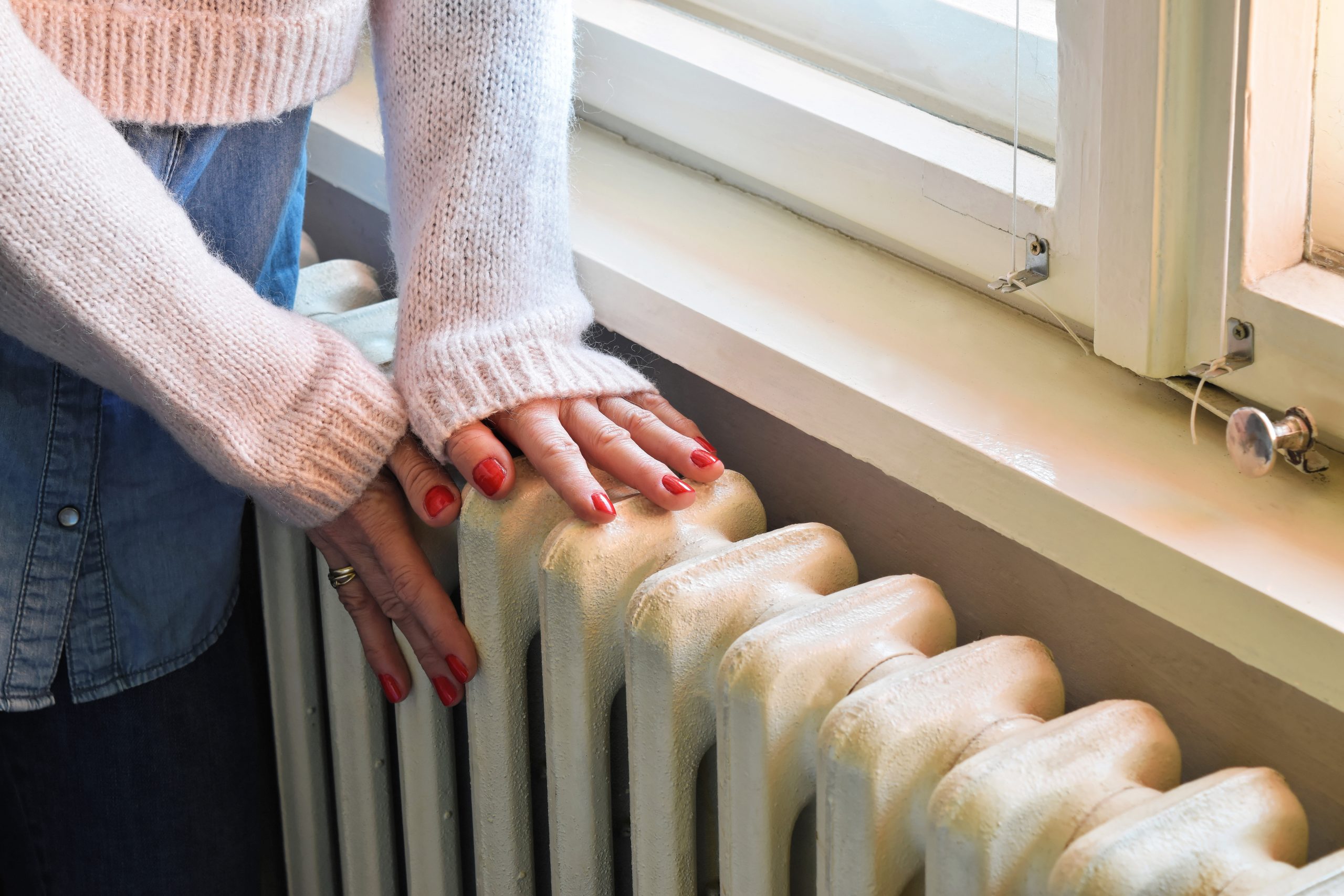 A boiler is a central heating system that heats water and circulates it throughout a home to provide space heating. Boilers are especially common in the Northeastern United States, where hydronic heating systems have long been used to provide dependable comfort during extended periods of cold weather.
Unlike a furnace, which heats air and distributes it through ductwork, a boiler transfers heat through water or, in some older systems, steam. Heated water can be circulated through baseboard heaters, radiators, radiant floor systems, or other hydronic heating equipment. Because these systems do not depend on moving large volumes of air throughout the home, boiler heat is often quiet and provides consistent temperatures without the drafts sometimes associated with forced-air systems.
Modern residential boilers are available in natural gas, propane, and heating oil models. Electric boilers are also available, although they are less commonly used as the primary heat source for larger homes in the Northeast. Modern gas and propane equipment includes high-efficiency condensing boilers capable of adjusting their output to match changing heating demands. Oil-fired boilers have also benefited from advances in burner technology, controls, heat exchanger design, and combustion efficiency.
Boilers can also serve more than one purpose. Depending on the system design, a boiler may provide domestic hot water through an indirect water heater or combination boiler, allowing a single appliance to contribute to both home heating and hot water production.
How They Work
Although boiler designs vary according to fuel source, efficiency, and distribution system, most modern hydronic boilers follow the same basic process:
Modern boilers can use sophisticated controls to improve this process. Modulating burners can reduce or increase firing rates according to the home’s actual heating demand, while outdoor-reset controls can adjust boiler water temperature based on outdoor conditions. Instead of operating at full output every time heat is requested, properly designed systems can match their operation more closely to the amount of heat the home actually needs.
High-efficiency condensing boilers go a step further by capturing additional heat from combustion gases that would otherwise escape through the exhaust. These boilers perform particularly well when paired with heating systems capable of operating at relatively low return-water temperatures.
NATURAL GAS BOILERS
Types:
Benefits:
Energy Efficiency: Conventional modern gas boilers commonly offer AFUE ratings in the 80% range, while high-efficiency condensing equipment can achieve ratings in the 90% range. Actual system performance depends on equipment selection, installation, controls, water temperatures, building heat loss, and distribution design.
Common Use: Natural gas boilers are particularly common in urban and suburban Northeast homes that already have natural gas service and hydronic baseboard or radiator systems.
PROPANE BOILERS
Types:
Benefits:
Energy Efficiency: Because many gas-fired boiler designs can be configured for either natural gas or propane, modern propane boilers can achieve efficiencies comparable to their natural gas counterparts. High-efficiency condensing models commonly reach AFUE ratings in the 90% range.
Common Use: Propane boilers are well suited to rural and semi-rural Northeast homes that use hydronic heat but do not have access to a natural gas utility. They are also an option when replacing older oil-fired equipment or constructing a new hydronic heating system.
HEATING OIL BOILERS
Types:
Benefits:
Energy Efficiency: Modern oil-fired boilers are considerably more efficient than many older boilers still found in Northeast homes. Many current residential models achieve AFUE ratings in the mid-to-upper 80% range, with some equipment reaching higher efficiencies. However, conventional oil boilers generally do not reach the efficiency ratings available from the highest-efficiency condensing natural gas and propane boilers.
Common Use: Heating oil boilers remain common throughout New York, New England, Pennsylvania, and other areas of the Northeast where natural gas infrastructure is limited. They are especially prevalent in older homes that already have oil storage and hydronic baseboard or radiator heating.
The three fuel sources can provide very similar comfort once heat reaches the home’s hydronic distribution system. The largest differences are therefore found at the boiler itself and in how its fuel is supplied.
Natural gas provides access to highly efficient equipment without requiring on-site fuel storage, but only where utility infrastructure is available. Propane offers many of the same modern boiler technologies while making gas-fired hydronic heat available to homes beyond natural gas service areas, with the added requirement of on-site storage and delivery.
Heating oil remains particularly relevant in the Northeast because so many homes already have oil tanks, boilers, baseboards, and radiator systems in place. Modern oil boilers can significantly improve upon the performance of aging equipment while allowing homeowners to retain much of their existing heating infrastructure. Their primary tradeoffs are greater maintenance requirements and lower peak efficiency compared with today’s highest-efficiency condensing gas boilers.
The introduction of cleaner-burning Bioheat heating oil has reduced the amount of greenhouse gas emissions oil-fired boiler systems contribute to the environment. Additionally, Bioheat fuel is easier on your boiler, leaving fewer deposits and lowering your overall maintenance costs. Earn credit back with Bioheat and receive .10¢ per gallon used when claimed on your NYS Tax Return! Login into the Main-Care Energy Customer Portal to view your eligible gallons for the Bioheat Tax Credit.
Since 1930, Main-Care Energy has played a pivotal role in keeping homes warm in New York’s Capital Region and Hudson Valley as well as Vermont’s Bennington and Rutland Counties. Today that includes selling, installing, servicing and repairing high-efficiency boilers.
If you are interested in a new boiler installation or curious about an equipment upgrade, our team is here to help.
For homeowners in Schenectady County, New York State’s Capital Region, the Hudson Valley or Western Vermont contact Main-Care Energy today to schedule a FREE survey.


