Posted: June 16, 2025
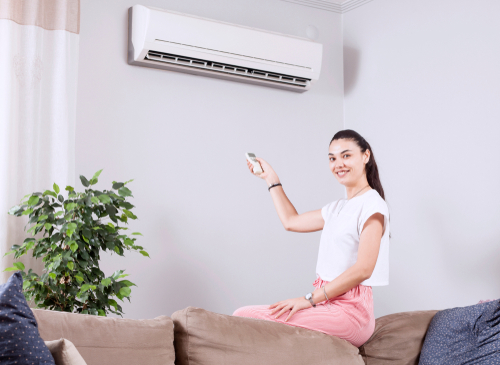 Have you recently installed a heat pump as your primary heating and cooling system in your home? Are you considering doing so but aren’t sure what to expect?
Heat pumps operate differently than traditional HVAC equipment like furnaces, boilers and central air conditioning. As such, homeowners can be confused about whether they are running correctly, especially when it’s swelteringly hot or freezing outside.
Allow us to take you through how these heating and cooling systems work and what their typical runtimes are.
Heat pumps work by moving heat from one place to another rather than generating it. These systems are composed of two primary components: an indoor air handler unit and an outdoor unit. The two are connected by a conduit that houses power cables, tubing, communication lines and condensate drain lines. A single outdoor unit can support multiple indoor air handlers, offering versatile heating and cooling options.
In colder months, heat pumps extract heat energy from the outside air and transfer it indoors to keep your space warm. When set to cooling mode, they function like air conditioners, pulling heat from indoor air and releasing it outside through the outdoor unit. Efficient and adaptable, heat pumps provide year-round comfort with ease.
Several factors influence how long your heat pump operates, even if you and a neighbor have similar homes. Heat pump runtimes can vary due to differences in environment, insulation, and usage. Here are some key factors that impact your system’s runtime:
On average, a heat pump runs in cycles for about 2–3 hours per day. However, this can fluctuate based on the factors listed above. During extreme weather conditions, your system may run continuously to maintain a comfortable environment.
When the weather heats up, your heat pump becomes a key ally in keeping your home cool and comfortable. To maximize energy efficiency and maintain a pleasant indoor environment, set your thermostat to 78°F while you’re at home. Most heat pumps allow individual air handlers to operate independently, so consider turning off or reducing cooling in rooms you don’t use frequently.
In colder months, heat pumps perform best when set to a consistent temperature. Unlike traditional furnaces or boilers, which cycle on and off, heat pumps are designed to operate steadily rather than cycling intermittently. We recommend starting with a temperature around 68°F for optimal comfort and performance.
On particularly frigid nights, when temperatures drop below freezing, your heat pump may struggle to maintain desired comfort levels. For these extreme conditions, we suggest using your oil or gas heating system as a backup option.
To keep your heat pump operating smoothly, reduce wear and tear and lower energy costs, you need to invest in proper upkeep for your equipment. Routine maintenance keeps your heat pump running at top performance and efficiency. Annual inspections by Main-Care Energy’s HVAC technicians can catch and fix issues early.
The best way to ensure your heat pump gets the attention it needs is with a Main-Care Energy Home Protection Plan. Our plans offer annual preventative maintenance for your cooling equipment, along with priority emergency service, discounted or complimentary repairs and additional benefits. Most importantly, you’ll have total confidence that your heat pump will run dependably to keep you and your loved ones comfortable and safe.
To enroll your HVAC system in a Home Protection Plan or schedule your annual heat pump maintenance, please get in touch with us today.


